
Business leaders working in customer services often find themselves tangled in a maze of confusing terms. You’ve likely heard “call center” and “contact center” tossed around in meetings, vendor pitches, and industry articles as if they mean the same thing. But here’s the catch, they’re not interchangeable, and knowing the difference could be what sets you apart in delivering outstanding customer experiences or leaving you trailing behind your competitors.
While call centers stick to traditional phone systems, contact centers embrace the variety of (often digital) channels that customers use today to reach out to businesses, showcasing how customer expectations have dramatically evolved.
Most customers don’t just want to make a phone call—they expect smooth support across email, chat, social media, and more.
If you’re a customer service manager, IT decision-maker, or contact center leader looking to build or enhance your operations, this guide will help you understand these crucial differences and make the best choice for your business.
What Is a Call Center?

Let’s kick things off with the classic model that many of us are familiar with. A call center is essentially a hub where customer interactions happen solely through voice calls, this includes both incoming questions from customers and outgoing sales or marketing calls.
You can think of call centers as the backbone of customer service over the last few decades. They’ve been the driving force behind everything from tech support hotlines to telemarketing efforts, utilizing reliable technologies like Interactive Voice Response (IVR) systems and Automatic Call Distribution (ACD) to efficiently direct calls to available agents.
Call centers really shine in situations where phone conversations are still the main, or preferred way for customers to get in touch. Sectors like healthcare appointment scheduling, debt collection, or high-volume customer support often discover that a focused, voice-only approach offers the simplicity and cost-effectiveness they’re looking for.
What makes a call center so effective is its straightforward nature. Agents become skilled in phone etiquette and verbal communication, while the technology involved remains relatively simple. For businesses with specific, transactional customer needs, like resetting passwords, handling billing questions, or booking appointments, call centers can provide efficient and budget-friendly solutions.
What Is a Contact Center?
Now the reason you are here, let’s establish what a contact center really is. These days, contact centers are revolutionizing the way we think about customer service. They’re the next step up from traditional call centers, providing a wide array of customer service options beyond just phone calls.
A contact center isn’t limited to handling calls; it manages customer interactions across various platforms like email, live chat, SMS, social media, mobile apps, and even video support. This omnichannel strategy reflects a significant change in how customers prefer to engage with businesses; modern customers want options.
What truly sets contact centers apart is their ability to seamlessly integrate these different channels. They utilize advanced cloud-based platforms, CRM systems, and artificial intelligence (AI)-driven tools that give agents a comprehensive view of each customer’s journey. So, if a customer starts a chat and later calls for more information, the agent is already in the loop and can continue the conversation without missing a beat.
Contact centers are all about proactive engagement. Instead of just waiting for customers to reach out, they leverage data analytics to spot opportunities for engagement, like following up on a support ticket via SMS or sending tailored offers through email based on past interactions.
Key Differences Between Call Centers and Contact Centers
When it comes to call centers and contact centers, the differences run deeper than just how many ways you can reach out. Let’s dive into the key distinctions that can influence everything from how daily operations are run to how satisfied customers feel:
| Call Center | Contact Center | |
| Communication Channels | Voice calls only | Voice + email + chat + SMS + social media + video |
| Technology Infrastructure | Traditional ACD, IVR systems | Cloud-based omnichannel platforms, AI integration |
| Agent Skill Requirements | Phone etiquette, verbal communication | Multichannel communication, technical fluency, digital literacy |
| Customer Experience Approach | Reactive, single-interaction focus | Proactive, journey-based engagement |
| Data Collection & Analytics | Limited to call metrics | Rich, multichannel customer data and behavioral insights |
| Scalability & Flexibility | Fixed capacity, hardware-dependent | Dynamic scaling, cloud-based flexibility |
| Integration Capabilities | Basic telephony integration | Deep CRM, marketing automation, and business system integration |
These differences aren’t just abstract concepts, they really affect how you run your day-to-day operations.
Since contact centers offer a wider range of communication channels compared to traditional call centers, they can gather a more varied set of customer data, tailor experiences to individual needs, and foster stronger relationships through various interactions.
Which Is Right for Your Business?
When it comes to choosing between a call center and a contact center, it’s not really about which one is superior, it’s about finding the right fit for your business strategy, customer needs, and operational strengths.
Choose a Call Center If:
Your customers lean towards phone conversations. Certain industries and demographics still value voice communication. If your clientele mainly consists of individuals who prefer discussing complex matters or making significant decisions over the phone, a dedicated call center might be just what you need.
You deal with a lot of straightforward transactions. If your customer interactions are generally simple and consistent, like scheduling appointments, checking order statuses, or basic troubleshooting; the efficiency of a call center can be a perfect match.
Budget and ease of operation are key for you. Call centers usually require a smaller initial investment and can be simpler to run, thanks to less complex technology and more focused training for agents.
You’re in a regulated industry with specific compliance requirements. Some sectors have strict rules regarding call recording, data management, and interaction protocols, which can be easier to navigate in a single-channel setup.
Choose a Contact Center If:
If your customers are active online and use various channels, it’s crucial to have a contact center that meets their needs. Many customers expect quick responses, personalized interactions, and timely solutions through their preferred channels. Whether they’re reaching out via social media, chatting for quick inquiries, or looking for email follow-ups, having multichannel capabilities is essential.
You also want to deliver personalized, context-aware service. When customer relationships get complex and benefit from historical insights, contact centers shine by pulling together interaction data from all touchpoints, creating richer and more meaningful service experiences.
If your business strategy focuses on proactive customer engagement, you’ll want to move beyond just reacting to issues. Think about sending personalized offers, following up on service concerns, or engaging customers based on their behavior patterns, contact centers equip you with the tools and insights to do just that.
Lastly, consider scalability and future growth. With their cloud-based infrastructure, contact centers typically offer the flexibility to scale operations up or down based on demand, add new channels as customer preferences change, and integrate with emerging technologies.
Planning Your Customer Service Solution
Choosing between call centers and contact centers is more than just a logistical decision; it’s a reflection of how your business wants to connect with its customers. As customer expectations shift and new ways to communicate pop up, laying the right groundwork becomes crucial.
Take a moment to think about your current customer base, but also consider where they might be headed. Even if phone calls are the norm right now, are you noticing a slow but steady move towards digital channels? Are younger customers leaning more towards chat or social media for their interactions? And what about your competitors, are they providing multichannel support that’s starting to shape what customers expect in your industry?
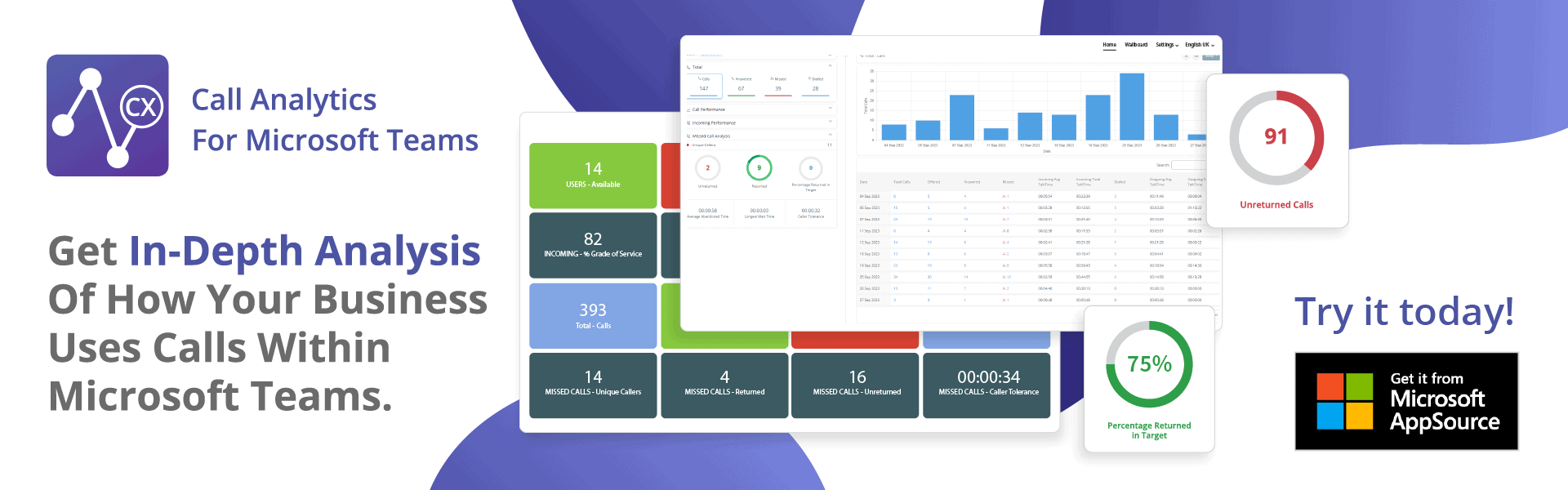
The silver lining is that you don’t have to navigate this decision alone. With modern platforms and analytics tools like Analytics 365, you can gain insights into your current interaction patterns, spot emerging trends, and make informed, data-driven choices about when and how to enhance your customer service offerings.
Conclusion
The difference between call centers and contact centers goes beyond just words, it highlights a key shift in how businesses engage with their customers. Call centers provide targeted, efficient voice support that suits certain business models and customer demographics. On the other hand, contact centers offer the flexibility of multiple channels and the integrated insights that today’s tech-savvy customers are coming to expect.
Choosing the right option really hinges on your specific business situation: think about your customers’ preferences, the demands of your industry, your growth ambitions, and your operational strengths. What’s crucial is making a well-informed choice that fits your customer experience strategy and sets your business up for future success.